
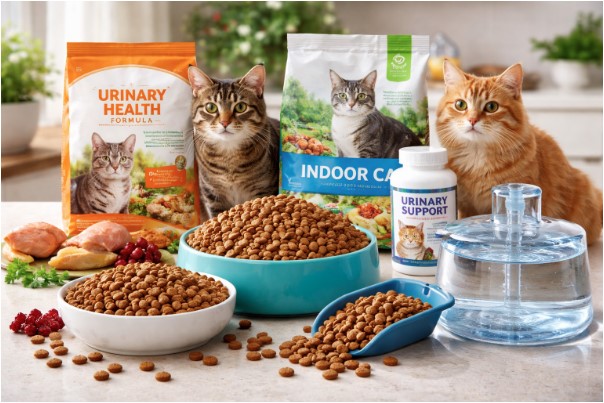
When it comes to your cat’s health, nutrition plays a crucial role—especially in maintaining a healthy urinary system. Many pet parents rely on dry cat food for its convenience and affordability, but there’s often confusion about how it affects urinary health.
In this guide, we’ll break down the facts, myths, and practical tips you need to ensure your cat stays healthy while enjoying their daily meals.
Understanding Feline Urinary Health
Cats are naturally prone to urinary tract issues due to their low thirst drive and concentrated urine. Common problems include:
-
Urinary tract infections (UTIs)
-
Bladder stones
-
Feline Lower Urinary Tract Disease (FLUTD)
These conditions can be serious if not managed properly. Diet, hydration, and lifestyle all play a role in prevention.
How Dry Cat Food Affects Urinary Health
Feeding dry cat food is not inherently harmful—but it does come with considerations.
1. Low Moisture Content
Dry food typically contains only 6–10% moisture, compared to wet food, which can have up to 80%. This means cats need to drink more water to stay hydrated.
2. Concentrated Urine Risk
If a cat doesn’t drink enough water, their urine becomes concentrated. This can increase the risk of crystals or stones forming in the urinary tract.
3. Nutritional Balance Matters
Modern formulas are designed to support urinary health by controlling minerals like magnesium, calcium, and phosphorus.
Choosing the Right Dry Cat Food for Urinary Support
Not all kibble is created equal. When selecting the right option, consider the following:
Look for Balanced Mineral Content
Excess minerals can contribute to crystal formation. High-quality formulas are carefully balanced to reduce this risk.
Check for Urinary Health Claims
Some products are specifically designed to support urinary tract health. These often help maintain optimal urine pH levels.
Prioritize Quality Ingredients
Choose options with real animal protein and minimal fillers.
Budget-Friendly Doesn’t Mean Low Quality
You can still find the best affordable dry cat food that supports your cat’s health without compromising on nutrition—just read labels carefully.
Importance of Hydration: The Missing Piece
Hydration is the most important factor when feeding kibble.
Ways to Increase Water Intake:
-
Provide multiple water bowls around your home
-
Use a cat water fountain
-
Add a small amount of water to food
-
Offer occasional wet food as a supplement
Even if you feed premium products from well-known dry cat food brands, hydration remains essential.
Signs of Urinary Problems in Cats
Early detection can save your cat from serious health issues.
Watch out for:
-
Frequent trips to the litter box
-
Straining while urinating
-
Blood in urine
-
Excessive licking of the genital area
-
Urinating outside the litter box
If you notice any of these signs, consult your veterinarian immediately.
Dry vs Wet Food: Should You Be Concerned?
There’s no one-size-fits-all answer. Many cats live long, healthy lives on kibble-based diets. The key is balance.
When Dry Food Works Well:
-
Your cat drinks plenty of water
-
You choose high-quality, balanced formulas
-
You monitor your cat’s health regularly
When to Consider Adding Wet Food:
-
Your cat has a history of urinary issues
-
They don’t drink enough water
-
Your vet recommends it
A mixed feeding approach often provides the best of both worlds.
Tips to Keep Your Cat’s Urinary System Healthy
Here are simple, practical steps you can follow:
-
Encourage daily water intake
-
Keep litter boxes clean and accessible
-
Schedule regular vet checkups
-
Maintain a healthy weight for your cat
-
Avoid sudden diet changes
Consistency is key when it comes to urinary health.
Common Myths About Dry Cat Food and Urinary Health
Myth 1: Dry food always causes urinary problems
Truth: Problems arise mainly from dehydration, not the food itself.
Myth 2: Only expensive food is healthy
Truth: Even budget-friendly options can be nutritious if they meet quality standards.
Myth 3: Cats will naturally drink enough water
Truth: Many cats don’t, so you need to encourage hydration.
Final Thoughts
Feeding dry cat food doesn’t automatically put your cat at risk—but it does require a thoughtful approach. By focusing on hydration, choosing balanced formulas, and monitoring your cat’s behavior, you can support a healthy urinary system.
Remember, the goal isn’t to eliminate dry food—it’s to use it wisely as part of a well-rounded diet that keeps your cat happy and healthy.
FAQs
1. Is dry cat food bad for urinary health?
Not necessarily. When combined with proper hydration and high-quality ingredients, it can be part of a healthy diet.
2. How can I make dry food safer for my cat’s urinary system?
Ensure your cat drinks enough water and consider adding moisture to their meals occasionally.
3. What are the best affordable dry cat food options?
Look for products with balanced minerals, real protein, and positive reviews—price doesn’t always reflect quality.
4. Can switching food improve urinary issues?
In some cases, yes. Specially formulated diets can help, but always consult a vet before making changes.
5. How do I know if my cat has a urinary problem?
Signs include difficulty urinating, frequent litter box visits, and behavioral changes. Seek veterinary care if you notice these symptoms.