
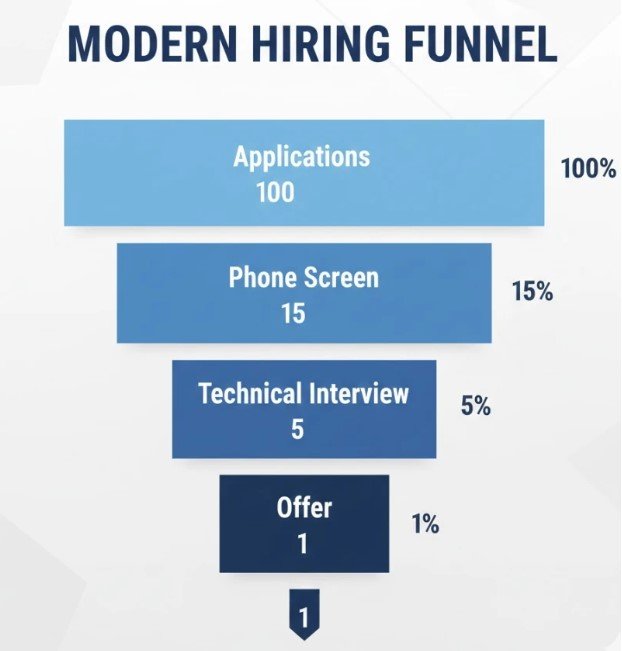
You’ve learned Python. You’ve built projects. You’ve sent dozens of applications into the void. Sound familiar? The frustrating truth is that most job seekers approach the Canadian Python market completely wrong.
Canada has over 30,000 open Python positions, yet qualified candidates struggle to get interviews. The disconnect isn’t about skills — it’s about strategy. This guide reveals what actually works for getting hired, based on what Canadian tech companies look for in 2026. For a broader view of where Python can take your career, explore these Python career paths available in Canada.
Why Your Applications Aren’t Working
Before fixing your approach, understand why the standard method fails:
Generic applications: Recruiters spend 6 seconds on each resume. Copy-paste applications get filtered out by both humans and ATS systems.
No proof of skills: Listing “Python” as a skill means nothing. Every applicant does that. Employers need evidence you can actually code.
Wrong target companies: Applying to senior roles as a junior, or targeting companies with no junior pipeline, wastes everyone’s time.
Missing Canadian context: International candidates often miss cultural expectations in Canadian workplaces — collaboration, communication style, and “soft skills” matter here.
What Canadian Employers Actually Want
After reviewing hundreds of Python job postings across Toronto, Vancouver, and Montreal, patterns emerge:
Technical Requirements
- Core Python: Clean, readable code following PEP 8 standards
- Version control: Git is non-negotiable — commits, branches, pull requests
- One framework: Django, Flask, or FastAPI depending on role
- Database skills: SQL basics, understanding of ORMs
- Testing: pytest or unittest — companies care about code quality
What They Won’t Tell You
- Communication: Canadian teams value clear, collaborative communication over brilliant lone wolves
- Learning ability: Showing you can pick up new tools matters more than knowing everything
- Problem-solving process: How you approach problems matters as much as solutions
- Cultural fit: Teams hire people they want to work with daily
The Portfolio That Gets Interviews
Your GitHub profile is your real resume. Here’s what makes it stand out:
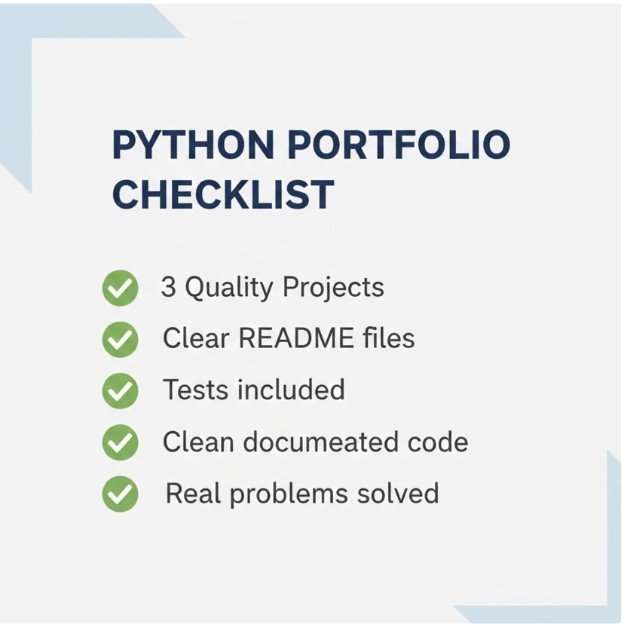
Three quality projects beat thirty tutorials. Each project should:
- Solve a real problem (not just follow a tutorial)
- Have a clear README explaining what it does
- Include tests showing you care about quality
- Show clean, documented code
Project ideas that impress Canadian employers:
- Automation script that saves real time (data processing, file organization)
- API that serves useful data with proper documentation
- Web scraper with ethical considerations and rate limiting
- Dashboard visualizing Canadian open data (bonus points for local relevance
Crafting a Resume That Passes ATS
Most resumes never reach human eyes. Applicant Tracking Systems filter them first.
Format for machines:
- Use standard section headers: “Experience,” “Skills,” “Education”
- No graphics, tables, or fancy formatting
- Save as PDF with selectable text
- Include keywords from the job posting naturally
Format for humans:
- Lead with impact, not responsibilities
- “Automated report generation, reducing processing time by 40%” beats “Responsible for writing Python scripts”
- Quantify everything possible — numbers catch attention
- Keep it to one page for junior/mid roles
Acing the Technical Interview
Canadian tech interviews typically follow this structure:
Phone screen (30 min): Basic Python questions, your background, why this company. Be concise and enthusiastic.
Technical assessment (1-2 hours): Either take-home project or live coding. For live coding, practice thinking out loud — Canadian interviewers want to see your process.
On-site or video panel (3-4 hours): Multiple rounds covering coding, system design (for senior), and behavioral questions.
Preparation that works:
- Practice on LeetCode — focus on medium difficulty, not hard
- Review your own projects deeply — you’ll be asked about them
- Prepare STAR stories (Situation, Task, Action, Result) for behavioral questions
- Research the company’s tech stack and recent news
Where to Apply Strategically
Quality over quantity wins every time:
Tier 1 — High success rate:
- Companies with active junior programs (Shopify, RBC, TD)
- Growing startups (check Wellfound for funded companies)
- Referrals from your network
Tier 2 — Worth applying:
- Mid-size companies with recent funding
- Roles matching your exact skill set
- Companies where you have genuine interest
Tier 3 — Low priority:
- Mass job postings with vague requirements
- Roles requiring 5+ years when you have 1
- Companies with poor Glassdoor reviews
The 30-Day Action Plan
Week 1: Audit your GitHub. Pick your best 3 projects, polish READMEs, add tests if missing.
Week 2: Rewrite your resume with quantified achievements. Create a Canadian-format cover letter template.
Week 3: Apply to 10 carefully selected positions. Customize each application. Connect with recruiters on LinkedIn.
Week 4: Practice technical interviews daily. Follow up on applications. Expand your network through Python meetups.
Consistency beats intensity. Ten thoughtful applications weekly outperform 100 spray-and-pray submissions.
Start Building Hireable Skills Today
The Python job market in Canada rewards developers who can demonstrate practical value. Theory matters less than working code that solves real problems.
If you want to build exactly the skills Canadian employers are hiring for, the Python Automation Course teaches practical automation from day one — the fastest path from learning to landing your first Python job.
