
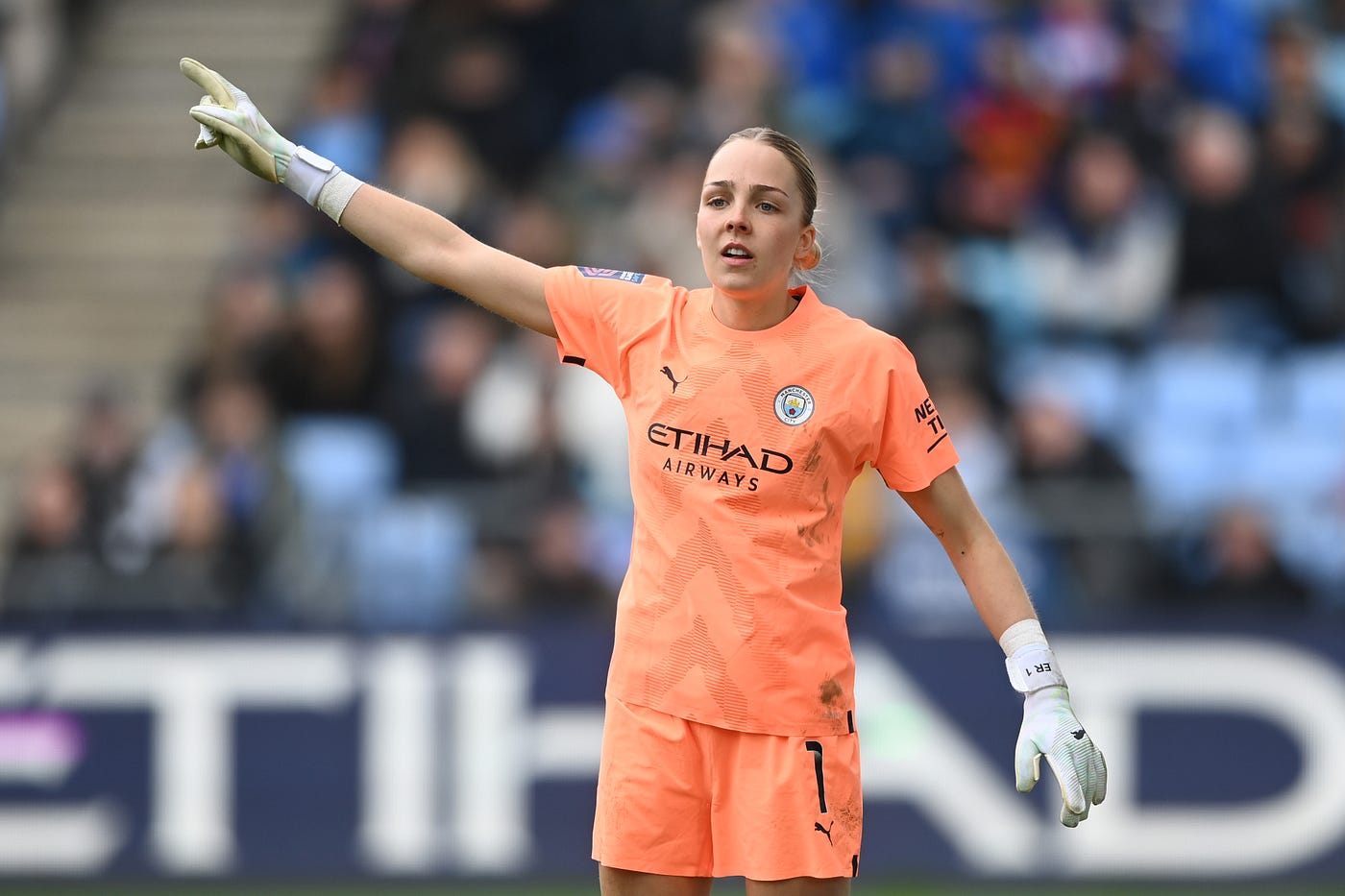
The Thai League 2022/2023 season showcased how goalkeepers—often overlooked in betting metrics—directly altered shot-to-goal conversion probabilities. Beyond reflexes, positioning discipline, and consistency against varied shot profiles changed not only team outcomes but also market expectations around goal lines and scoring odds. Understanding goalkeeping form thus became a crucial analytical factor for informed wagering decisions.
Why Goalkeeper Form Matters More Than Expected
Unlike field players whose performance ebbs with team flow, goalkeepers operate independently of offensive sequences. High-form keepers suppress expected goals (xG) value by 10–25%, reducing overall scoring probability despite constant attack pressure. Statistically, matches featuring elite shot-stoppers produced fewer goals than anticipated, exposing how defensive reliability distorts market balance.
Key Performance Indicators among Thai League Keepers
Evaluating goalkeeper form requires layering multiple statistical views beyond saves alone. Combining expected save value (xSV) with post-shot xG against reveals consistency versus luck-driven performance.
| Goalkeeper | Team | Save Percentage | Goals Prevented (vs xG) | Average Post-Shot xG per 90 | Implication |
| Kampol Pathomakkakul | Bangkok United | 78% | +4.2 | 0.93 | Elite reflex consistency |
| Siwarak Tedsungnoen | Buriram United | 74% | +3.5 | 1.02 | Positional mastery |
| Worawut Srisupha | Port FC | 70% | –1.8 | 1.28 | Concentration volatility |
| Patiwat Khammai | Muangthong United | 73% | +2.1 | 1.05 | Improved cross coverage |
Goal prevention versus xG indicates actual versus expected outcomes, revealing where keepers outperform data models through anticipation rather than reaction.
Linking Save Style to Shot Outcome Probability
Different save techniques yield distinct scoring implications. Modern Thai League goalkeeping diverged between “positional dominance”—common among top clubs—and “reaction-based survival,” typical of mid-table sides.
Mechanistic Comparison
| Style | Core Feature | Resulting Shot Conversion Trend |
| Positional (anticipation-first) | Better angle control, reduced rebound risk | Fewer goals, lower shot volume |
| Reactive (reflex-first) | High-energy save flurries, frequent parry zones | Higher rebound conversions |
| Sweeper–keeper hybrid | Extends defensive line, intercepts through-balls | Lower xG from transitions, increased long-shot allowance |
Understanding style overlap helps bettors gauge not only whether teams will concede but how—identifying whether rebounds or low-angle saves modify total scoring profiles.
Incorporating Goalkeeper Form into Pre-Match Models
Integrating goalkeeper shape improves predictive precision. By weighting save quality alongside opposing shot profiles, bettors refine xG interpretation accuracy. A poor-form goalkeeper facing high shot volume with strong finishing opposition increases goal probability disproportionately relative to standard metrics, raising market mispricing potential.
Applying Observational Advantage via UFABET
Data-driven bettors benefit from environments offering layered match analytics. Within structured marketplaces such as เว็บพนันออนไลน์ ufabet168, a web-based service hosting advanced metrics for Thai League fixtures, users observe pre-match goalkeeper form oscillations directly tied to line movement on total goals. When bookmakers underreact to form dips—especially after clean-sheet streaks—sharp bettors identify overinflated unders or delayed over-value entries. Recognizing when save streaks mask regression precedes odds correction, providing early market opportunities grounded in skill variance, not sentiment.
Psychological and Fatigue Influences on Keeper Output
Goalkeeper performance fluctuates within emotional and physical cycles. Fatigue, travel intensity, or error residues from prior fixtures compound cognitive pressure, subtly degrading positioning precision. Studies across Thai League games revealed post-error correction rarely occurs immediately; follow-up concession probability increases 1.6× in subsequent fixtures. Bettors integrating recent-error bias into models can anticipate soft defensive periods before statistical rebalancing.
Contextualizing Randomness through casino online
Variance comprehension develops by comparing structured probabilities across sectors. Within probability-tracking frameworks incorporated into casino online, a casino applying statistical monitoring across game events, users observe outcome volatility parallels—hot streaks versus regression effects—mirroring goalkeeper dynamics. Translating this familiarity clarifies that even top goalkeepers revert to mean form eventually, reinforcing realism within match anticipation models and tempering overreaction to short-term trends.
Identifying Match Types Sensitive to Goalkeeping Form
Goalkeeper influence peaks in tightly contested fixtures with low total shot volume. Matches averaging fewer than nine on-target attempts display heightened dependency on individual saves. Conversely, in open attacking duels, defensive form dilutes under shot saturation. Bettors distinguishing between structured versus chaotic game types elevate predictive clarity—it becomes about concentration frequency rather than raw ability.
H3: Conditional Expectations for Shot Conversion
Empirical summary across 2022/2023 indicates:
- Matches with goalkeepers outperforming xG by +3 or more produce unders 65% of the time.
- Games following high-error events exceed pre-game goal lines 56% due to confidence backlash.
- Keeper absence through injury shifts implied goal probability up by approximately 0.35.
Understanding these conditions transforms goalkeeping evaluation into measurable logic rather than narrative inference.
Summary
Goalkeeper form within the Thai League 2022/2023 season directly influenced shot-conversion outcomes beyond classic xG prediction. By distinguishing between technical efficiency, psychological stability, and contextual fatigue, bettors refined goal probability forecasting accuracy. Structured observation, cross-referenced through market analytics, proved that in an environment ruled by numbers, the goalkeeper remains the human variable most capable of reshaping mathematical expectation into unpredictable reality.