
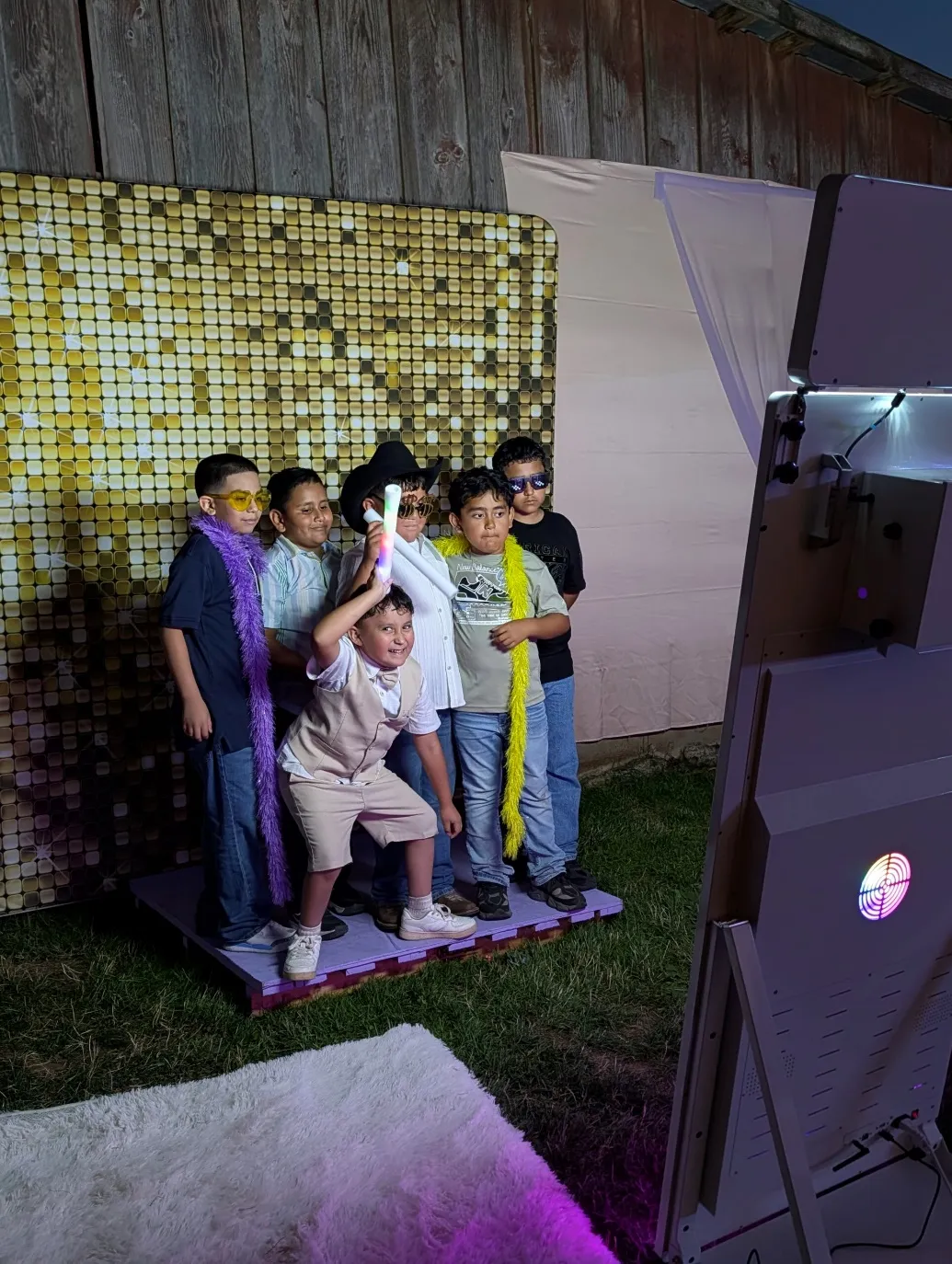
Hosting a birthday party at home can feel convenient until furniture, guests, food, activities, and decorations all compete for the same limited floor space. Small homes can still work well for children’s celebrations when the layout is planned around movement rather than the number of decorative pieces. Parents searching for birthday party setup rentals near me should begin with accurate room measurements and a realistic guest count. The goal is to create a few useful zones while leaving enough open space for children to move naturally.
Remove Before You Add
The easiest way to create party space is often to temporarily remove unnecessary furniture. Side tables, extra chairs, large baskets, or decorative floor pieces may be useful every day but become obstacles during a party.
Move them to another room before bringing in rental items. This gives the layout a cleaner starting point and reduces the temptation to stack new furniture around existing pieces.
Use the Perimeter
In a small room, the center is valuable. Place food tables, gift areas, and larger decorative pieces against walls where possible.
Keeping the central floor open creates room for play and makes it easier for adults to supervise. It also prevents children from constantly squeezing between chairs and displays.
Create One Main Activity Zone
Trying to run several activities at once can make a compact home feel chaotic. Choose one main activity area and rotate what happens there.
A table can begin as a craft station, later hold snacks, and then be cleared for cake. Using the same area for different stages reduces the amount of furniture required.
Keep Styling Vertical
When floor space is limited, walls can carry more of the theme. A backdrop, banner, balloon arrangement, or wall-mounted decoration can create visual impact without reducing room to move.
People comparing party styling services near me can focus on one vertical focal point instead of multiple floor-standing displays. This can be especially useful behind the cake table or a compact photo area.
Be Realistic About the Guest List
A small home may be comfortable for ten children but crowded with twenty. Think about whether parents will stay, whether siblings are included, and how many adults need seating.
Inviting fewer guests can create a better experience than filling every available corner.
Serve Food That Does Not Require a Large Buffet
A full buffet takes space and creates a traffic line. Individual snack boxes, pre-portioned items, or a compact food table can work better in a smaller venue.
Keep drinks in one easy-to-reach place and avoid putting food near the most active play area.
Plan for Coats, Shoes, and Gifts
These items create clutter quickly if they do not have a designated location. Use a bedroom, closet, or clearly defined corner for jackets and bags.
Create a separate gift zone, so packages do not accumulate in the entrance or around the cake table.
Choose Activities That Fit the Room
Running games may not work indoors in a compact space. Crafts, music, storytelling, scavenger hunts, simple tabletop activities, or a short movie can keep children engaged without requiring a large open area.
The activity should suit the venue rather than forcing the room to accommodate an idea designed for a gym or backyard.
Use Time to Create Variety
A small home can feel larger when activities happen in sequence. Guests may begin with a craft, move to cake, take photos, and finish with a calmer game.
This prevents every station from needing to remain active at the same time.
Keep Adult Seating Simple
Adults need somewhere to sit, but too many chairs can consume valuable room. Keep a small number along the edge and use adjacent spaces if possible.
For short parties, not every adult needs a formal seat in the main activity zone.
Conclusion
A small home can host a comfortable children’s party when the setup is designed around movement. Removing extra furniture, using walls for decoration, rotating activities, limiting the guest count, and keeping food and belongings organized can make the space feel far more manageable.
The strongest small-space parties do not try to imitate large venues. They use the home’s limitations as a guide, creating fewer zones and making each one work harder. When children have room to move and the host can reach food, gifts, and activities easily, the celebration can feel organized without needing a large floor plan.