
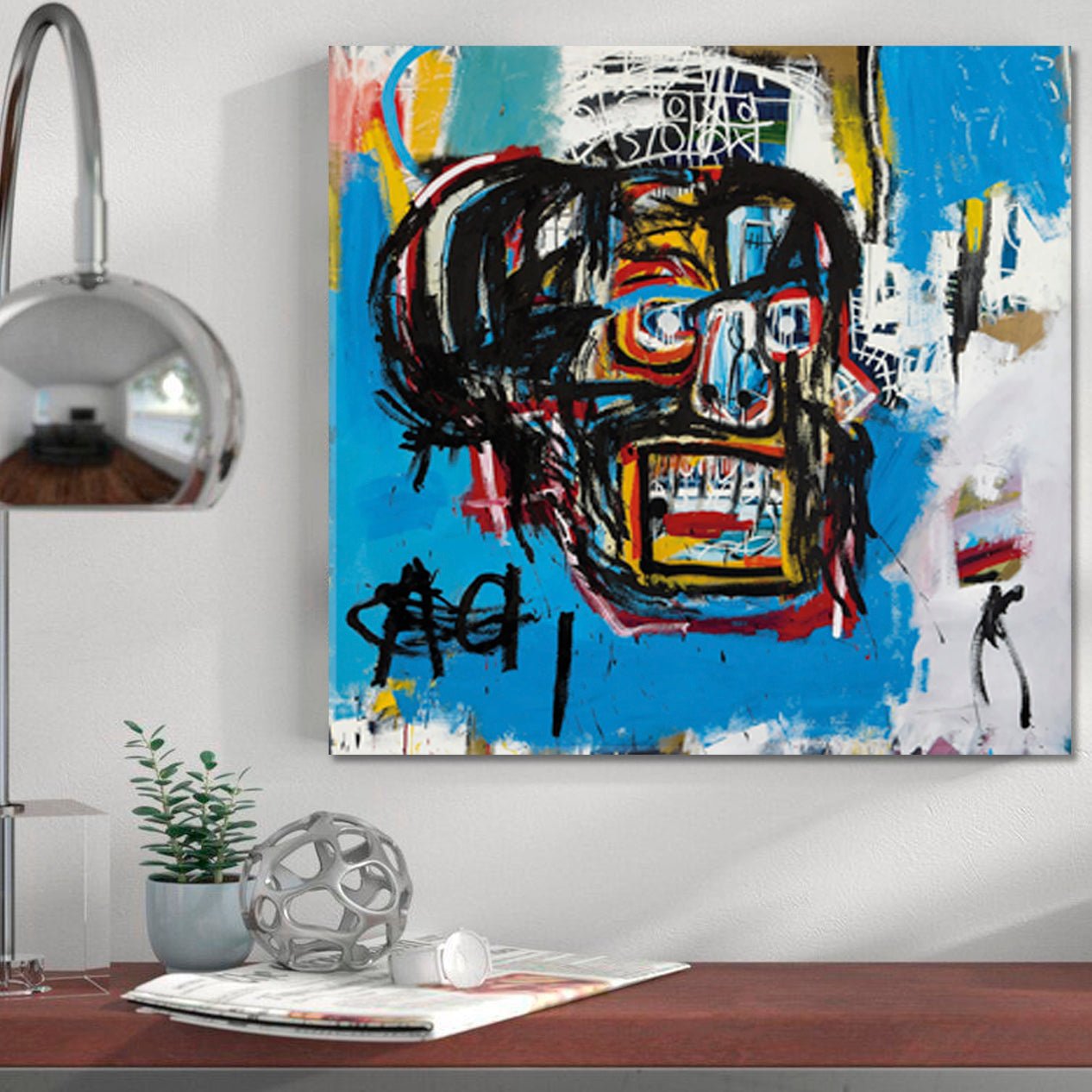
Abstract Line Art: Minimal Forms for Max Focus
When your day is full of tabs, tasks, and notifications, the wall in front of you matters. Abstract line art works in focus-first spaces because it does not fight for attention. A few steady lines give your eyes a place to rest, which helps you return to what you are doing.
Visual noise vs. visual order
Why fewer marks feel easier to live with
Open shelving, patterned fabrics, and bright screens all add “visual noise.” Line art reduces that pressure because the subject is not packed with detail. Your gaze can land on a line, follow it, and stop. That short loop can feel calmer in a work zone.
How line direction guides the eye
Lines carry movement. Curves soften a sharp room, while straight strokes fit clean furniture and tidy storage. Angled lines add energy without clutter. When you choose wall art with clear line direction, you are also choosing how your eyes travel across the wall.
How to choose the right abstract line art piece
Start with your purpose: focus, pause, or balance
Decide what you want the wall art to do. For strong focus, look for a bold line on a quiet background. For a softer feel, pick rounded shapes and more open space. If your room already has color, a black-and-white art print can balance it without adding another color story.
Line weight and open space
Two details change how a line drawing feels: the thickness of the line and the amount of open space around it. Thick lines are easier to read from a distance and can hold their own on a large wall. Thin lines can feel lighter, but they work best when the background stays uncluttered. Open space is just as important. If the lines touch every edge, your eyes keep scanning. If there is room around the subject, the piece feels more settled.
Use this quick checklist before you decide
- Clear subject: the lines read well from across the room.
- Good spacing: open areas give your eyes a break.
- Match your room: curves for softer rooms, straighter lines for sharper rooms.
- Works at your size: the design stays readable in small and large wall art formats.
One statement piece vs. a small set
A single large wall art piece can set the tone for the room. A small set can work too, but keep the spacing consistent and the line weight similar. If the set looks mixed, it can pull attention away from work or rest.
Color planning: black-and-white, neutrals, and one accent tone
Black-and-white line art is easy to place because it pairs with many palettes. If your room already has strong contrast, try soft neutrals. If you want a small push of energy, use one accent tone and keep the rest quiet.
Placement ideas that support focus
Where you hang a canvas print changes how it feels. Use these ideas as a starting point, then adjust for light and furniture. The goal is wall decor that fits your daily habits: where you sit, where you stand, and where your eyes land between tasks.
Home office: above the desk
Hang the piece where your eyes naturally lift between tasks—often above a monitor or slightly to the side of your main screen. Center it to the work surface so it feels steady. If you are building a work zone from scratch, start with office wall art canvas print options that suit desks and study areas.
Living room: behind the sofa
In a living room, abstract line wall art can calm a large wall without making the space feel crowded. Keep the design open if the room already has patterns.
Bedroom: above the headboard
In a bedroom, choose softer shapes and more blank space. Keep the art centered above the headboard and not too high.
Dining room: near the table
Line art works well in dining rooms because it sets a quiet background for conversation. Place the canvas print on a wall you see from the table, and keep the area around it uncluttered.
Kitchen: a clean counter backdrop
Kitchens already have strong visual elements: cabinets, appliances, and tools. Choose a smaller piece with bold lines and open space, and hang it away from busy tile patterns.
Dorm room or study corner: one clear anchor
Small rooms need wall art that stays readable at close range. One medium canvas print above a bed or desk can give the room a finished look without filling every inch of wall.
Quick room placement checklist
- Hang the center of the artwork near eye level when standing.
- Keep space between the canvas and nearby shelves or switches.
- Match the artwork width to the furniture below (desk, sofa, console).
- Check the view from the doorway so the lines look clear at first glance.
Styling rules to keep the look focused
Frame choices and edge finish
Line art looks best when the edges feel clean. If you like a gallery look, choose a thin, straight frame. If you prefer the canvas itself, keep the edges neat and let the lines do the work.
Spacing for pairs and triptychs
If you hang two or three pieces, keep the gaps equal. Uneven spacing is a common reason a wall feels messy. Keep the set tight enough to read as one group.
Pairing with lighting and texture
Line art pairs well with texture like linen and wood. Keep stronger patterns lower in the room (pillows, rugs) and keep the wall area more open. Aim for soft light to avoid harsh glare.
Buying checklist: make the canvas print look right on the wall
Canvas vs. paper: when each makes sense
Canvas prints are a strong pick when you want a ready-to-hang piece that feels substantial. Paper art prints work well in frames, especially in small spaces, but canvas art often reads better from across a room.
Quick size guide for common walls
For a desk, a medium canvas print often feels balanced. For a sofa wall, larger wall art usually works better because it can anchor the seating area. For narrow wall sections (like next to a door), a vertical piece can fit without crowding the space. If you are unsure, test the size with paper on the wall before you order.
Measure your wall in three quick steps
- Measure the furniture: use desk, sofa, or bed width as your guide.
- Mark the center: set a center point on the wall with painter’s tape.
- Test the size: tape paper to the wall in the planned size and step back.
Two curated picks for this style
For high contrast lines, browse black and white abstract line wall art.
FAQs
1) What size line art works over a desk?
Aim for about two-thirds to three-quarters of the desk width.
2) What size works behind a sofa?
Choose a width around two-thirds to three-quarters of the sofa, or a set that reads as one wide unit.
3) Can abstract line art work in a kids’ room?
Yes—choose softer shapes, safe placement, and a scale that fits the wall.
4) Should line art be black and white?
Black-and-white is easiest to place, but neutrals or one accent tone can work in quieter rooms.
5) What finish looks best with line art?
Thin frames, float frames, or clean canvas edges keep the focus on the lines.
6) How high should I hang a canvas print?
Place the center near eye level when standing, then adjust for where you view it most.
7) Is one large piece better than a set?
One large piece is often easier for focus; sets work when spacing and line weight match.
8) How do I match line art with other wall decor?
Leave clear space around it and keep nearby objects minimal.
9) Does line art look good with plants?
Yes—plants add organic shape while lines add structure.
10) What if my room already has a lot of patterns?
Pick line art with more blank space and fewer strokes.
11) Can I mix line art with color paintings?
Yes—keep color as the main accent and use line art as a supporting piece.
12) What is the best spot in a hallway?
Hang it where you see it as you enter, away from strong glare.
13) How do I avoid glare on my wall art?
Use soft lamps and avoid placing art opposite strong windows.
14) Should I choose vertical or horizontal line art?
Match the wall and furniture shape: wide furniture suits horizontal; narrow wall sections suit vertical.
15) What makes a line art piece feel focused?
Clear lines, open space, and a design that reads quickly from across the room.
Keep the wall around the artwork quiet
Line art does its best work when it has breathing room. If you add a shelf, lamp, or wall hooks nearby, keep them neat and spaced out. Avoid piling small objects around the canvas print, so the lines remain the main point.
Wrap-up
Abstract line art is a smart choice when you want wall art that supports attention. Keep the design clear, hang it where your eyes naturally pause, and keep the area around it uncluttered.
