
Every child learns and grows in their own way. For children with autism, building everyday skills may take extra time, support, and guidance. This is where autism therapy plays an important role. It helps children develop the skills they need to become more confident, independent, and successful at home, in school, and in the community.
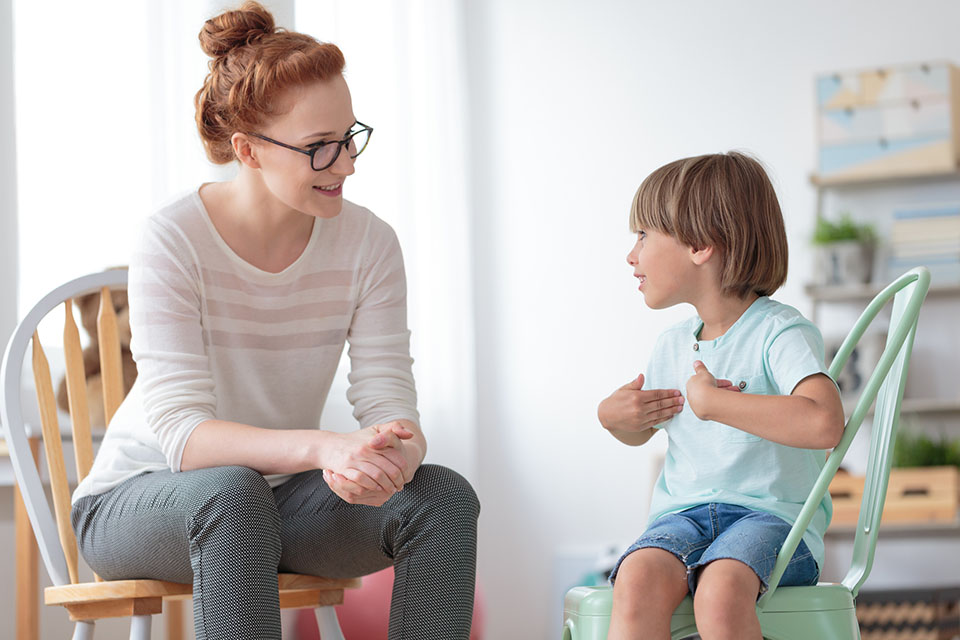
Autism affects how a child communicates, interacts with others, and responds to the world around them. While every child with autism is unique, early support can make a meaningful difference in their development. Through personalized therapy programs, children can improve their ability to learn, connect with others, and complete daily activities with greater confidence.
Building Life Skills Through Autism Therapy
Life skills are the everyday abilities that help children become more independent. These include communication, social interaction, self-care, emotional regulation, and problem-solving. Autism therapy focuses on helping children strengthen these important skills through structured, engaging, and child-friendly activities.
Therapists begin by understanding each child’s strengths, challenges, and goals. They then create a personalized plan that encourages steady progress at a pace that suits the child. By breaking larger tasks into smaller, manageable steps, children are better able to practice and master new skills over time.
Families also play a key role in the therapy process. Parents and caregivers learn strategies that can be used at home, allowing children to practice their new skills in everyday situations. This teamwork helps create consistent learning opportunities that support lasting progress.
Improving Communication Skills
Communication is one of the most important life skills a child can develop. Some children with autism may have difficulty expressing their thoughts, understanding others, or using nonverbal communication such as eye contact and gestures.
Autism therapy provides children with practical ways to improve communication based on their individual needs. Therapy may include learning to use words more effectively, building vocabulary, understanding body language, taking turns in conversations, or using alternative communication methods when needed.
As communication improves, children often become more confident in expressing their needs and feelings. This can reduce frustration, strengthen relationships with family and friends, and help children participate more actively at school and in social settings.
Developing Independence Through Paediatric Occupational Therapy
Another valuable part of a child’s development is paediatric occupational therapy, which focuses on helping children perform everyday tasks more independently. Occupational therapists work with children to improve the physical, sensory, and motor skills needed for daily living.
Children may practice activities such as dressing, brushing their teeth, eating with utensils, handwriting, organizing school materials, or participating in classroom routines. These skills may seem simple, but they are essential for building confidence and independence.
In addition to self-care tasks, paediatric occupational therapy also helps children improve sensory processing. Many children with autism experience sensitivity to sounds, textures, lights, or movement. Occupational therapists provide strategies that help children better manage these sensory experiences, making daily activities more comfortable and less overwhelming.
As children gain independence in these areas, they become more prepared to participate successfully in school, family activities, and community life.
Strengthening Social and Emotional Skills
Building friendships and managing emotions can be challenging for children with autism. Therapy helps children understand social situations, recognize emotions, and respond appropriately to different environments.
During autism therapy, children practice important social skills such as sharing, taking turns, following instructions, making eye contact, and understanding social cues. These activities are often taught through play, role-playing, and interactive exercises that make learning enjoyable and meaningful.
Children also learn techniques for managing anxiety, coping with change, and handling frustration. As emotional regulation improves, children often experience fewer meltdowns and feel more confident when facing new situations.
Developing these social and emotional skills supports stronger relationships with family members, teachers, classmates, and friends. It also helps children build resilience that will benefit them throughout their lives.
Early intervention is especially valuable because young children are developing rapidly. The earlier children receive the right support, the more opportunities they have to build strong foundations for future learning and independence. However, children of all ages can continue to benefit from therapy programs that are tailored to their changing needs and goals.
At Clinikids, therapy is designed around each child’s unique strengths and challenges. A caring, multidisciplinary team works closely with families to provide evidence-based support that encourages growth in communication, independence, learning, and everyday life skills. Every achievement, no matter how small, becomes an important step toward greater confidence and long-term success.
If your child is showing signs of developmental challenges or has been diagnosed with autism, seeking professional support can make a positive difference. Clinikids offers personalized autism therapy and paediatric occupational therapy services that empower children to build essential life skills while supporting families throughout their developmental journey. Contact Clinikids today to learn how their experienced team can help your child reach their full potential with compassionate, individualized care.