
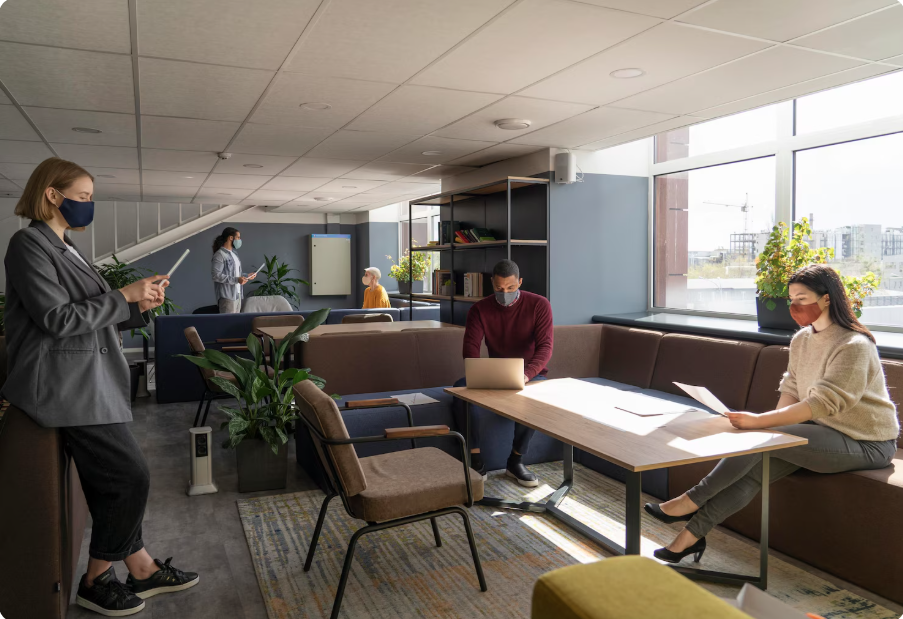
Office furniture design has evolved far beyond basic desks and chairs. In today’s dynamic work environment, well-designed office furniture plays a crucial role in boosting productivity, supporting employee wellbeing, and shaping a company’s brand identity.
Modern office furniture design focuses on flexibility, ergonomics, and aesthetics to create inspiring workspaces that adapt to how people actually work.
The Role of Office Furniture Design in Modern Workplaces
Effective office furniture design directly influences how employees interact with their environment. Thoughtfully designed furniture improves comfort, encourages collaboration, and helps reduce physical strain during long working hours.
Modern workplaces demand furniture that supports:
- Individual focus and teamwork
- Hybrid and flexible work models
- Long-term comfort and ergonomics
- Efficient use of office space
As businesses move away from rigid layouts, office furniture design must prioritize adaptability and user experience.
Key Elements of Modern Office Furniture Design
Ergonomic Design for Comfort and Health
Ergonomics is at the core of modern office furniture design. Adjustable chairs, sit-stand desks, and ergonomic workstations help maintain proper posture and reduce fatigue. These solutions not only improve comfort but also contribute to higher productivity and reduced workplace injuries.
Flexible and Modular Furniture Systems
Modular office furniture allows businesses to reconfigure layouts as teams grow or workflows change. Benching systems, movable partitions, and modular storage units provide flexibility without costly renovations. This adaptability is especially valuable in open offices and co-working environments.
Clean Aesthetics and Functional Design
Modern office furniture design emphasizes clean lines, neutral tones, and minimalist aesthetics. At the same time, functionality remains a priority. Integrated cable management, built-in power access, and smart storage solutions help maintain an organized and clutter-free workspace.
Technology-Integrated Office Furniture
As technology becomes central to daily work, office furniture design increasingly incorporates tech-friendly features. Desks with integrated charging ports, conference tables designed for video meetings, and media units that support collaboration tools are now standard in modern offices.
These design elements ensure seamless connectivity while maintaining a professional and streamlined appearance.
Sustainability in Office Furniture Design
Sustainable office furniture design is gaining importance as businesses focus on environmental responsibility. Manufacturers are using recyclable materials, low-VOC finishes, and durable construction to extend product life cycles.
Eco-friendly office furniture not only reduces environmental impact but also enhances brand reputation and supports corporate sustainability goals.
Creating Inspiring Workspaces Through Design
Inspiring workspaces are built through a balance of comfort, flexibility, and visual appeal. Well-designed office furniture supports concentration while also encouraging creativity and collaboration. Lounge seating, breakout areas, and informal meeting spaces contribute to a more engaging and motivating work environment. When upgrading or relocating large desks, ergonomic chairs, and collaborative workstations, comparing options for the Cheapest Courier for Heavy Items can help businesses manage transportation costs efficiently..
Conclusion
Office furniture design is a strategic investment in both people and performance. Modern solutions that combine ergonomic comfort, flexible layouts, integrated technology, and sustainable materials help create inspiring workspaces suited for today’s evolving work culture.
By prioritizing smart office furniture design, businesses can build productive, healthy, and visually appealing environments that support long-term success.
