
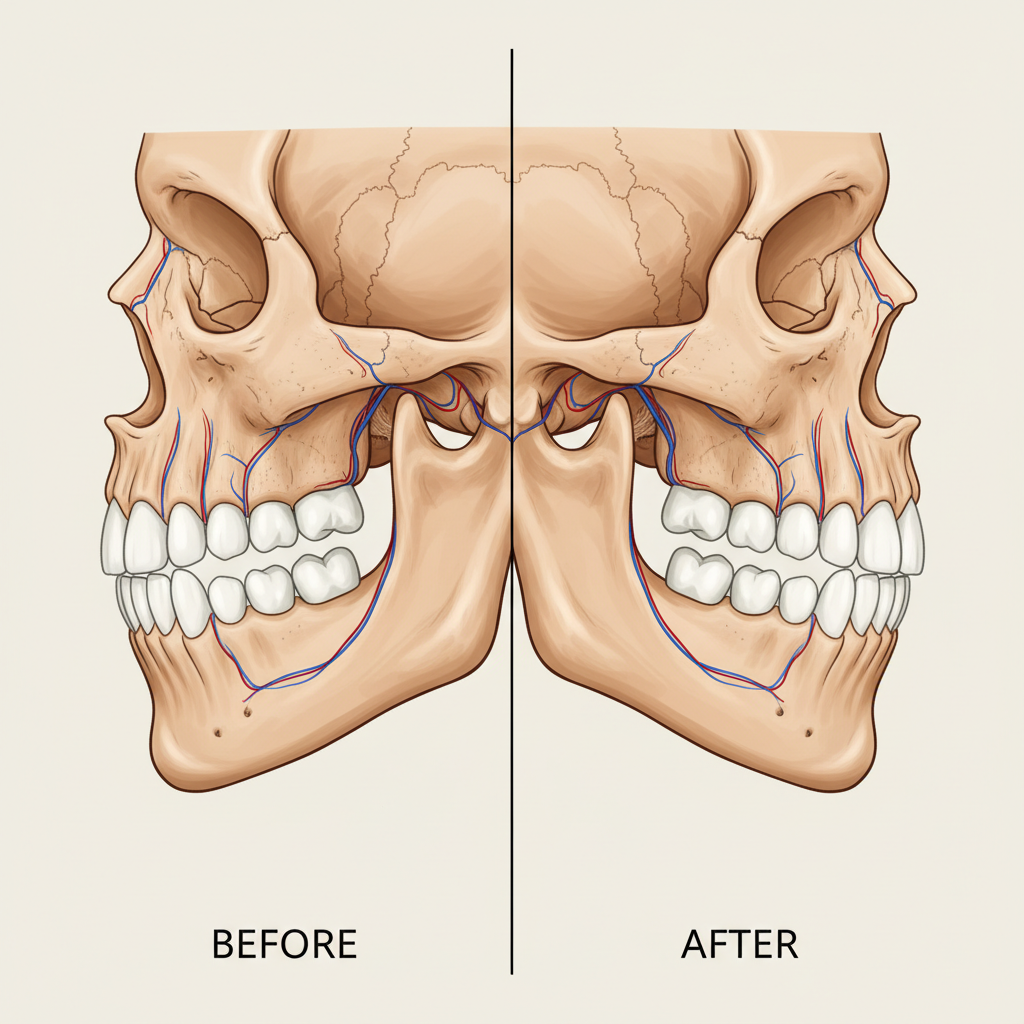
Jaw discomfort is something many people experience at some point in their lives. A sore jaw after chewing tough food, occasional clicking when opening the mouth, or mild tension around the temples can seem like minor inconveniences. In many cases, these symptoms improve with simple treatments such as mouth guards, physical therapy, or lifestyle changes.
However, when jaw symptoms persist or become more severe, they may signal a deeper structural issue involving the bones or joints of the face. Recognizing the warning signs early can help patients understand when it may be time to seek a more specialized evaluation.
When Jaw Pain Becomes Persistent
Short-term jaw discomfort often resolves with rest or minor treatment. But persistent pain lasting weeks or months may indicate a more complex condition involving the temporomandibular joint (TMJ) or the alignment of the jaw.
Common symptoms that may require further evaluation include:
-
Continuous jaw pain that does not improve
-
Difficulty chewing certain foods
-
Stiffness when opening the mouth
-
Pain that spreads to the ear or temples
-
Limited jaw movement
When these symptoms interfere with daily activities such as eating or speaking, it is often a sign that the jaw system is under excessive strain.
Changes in Your Bite
One of the most important indicators of jaw structural problems is a change in the way your teeth fit together. Your bite should remain relatively stable throughout adulthood.
If you suddenly notice that:
-
your teeth do not meet evenly
-
your jaw feels shifted to one side
-
chewing feels different than before
this could indicate movement within the jaw joints or structural changes in the jaw bones.
Bite changes are sometimes linked to TMJ degeneration or skeletal misalignment, both of which require careful diagnosis.
Jaw Locking or Limited Movement
The ability to open and close your mouth smoothly depends on healthy TMJ function. When the joint becomes damaged or inflamed, movement can become restricted.
Some patients experience:
-
difficulty opening the mouth fully
-
a jaw that locks in place temporarily
-
popping or grinding sensations when chewing
These symptoms may occur when the cartilage disc inside the joint becomes displaced or damaged. In more severe cases, joint deterioration can make normal jaw movement increasingly difficult.
Facial Imbalance or Asymmetry
Another sign of underlying jaw issues is visible facial imbalance. If one side of the face appears different from the other, it may be related to jaw positioning or joint degeneration.
Facial asymmetry can develop due to:
-
uneven jaw growth
-
trauma or injury
-
progressive TMJ disorders
-
skeletal deformities
Because the jaw influences the structure of the entire lower face, changes in its position can alter facial balance over time.
Jaw Problems and Sleep Disturbances
The structure of the jaw also plays a role in airway function. In some individuals, a lower jaw positioned too far back can narrow the airway behind the tongue. This may contribute to obstructive sleep apnea, a condition that disrupts breathing during sleep.
Symptoms associated with sleep-related airway problems include:
-
loud snoring
-
frequent nighttime awakenings
-
daytime fatigue
-
difficulty concentrating
Addressing structural jaw issues can sometimes improve breathing and sleep quality in patients with airway-related conditions.
When Conservative Treatments Are Not Enough
Many jaw conditions respond well to non-surgical treatment. Dentists and specialists often recommend options such as:
-
oral splints or night guards
-
orthodontic treatment
-
anti-inflammatory medication
-
physical therapy
While these treatments are effective for many patients, they may not fully resolve problems caused by structural abnormalities in the jaw bones or joints.
In those cases, surgical evaluation may be necessary to determine whether corrective procedures can restore stability and function.
The Importance of Expert Evaluation
Jaw surgery is a highly specialized field that requires extensive knowledge of facial anatomy, joint function, and skeletal alignment. Oral and maxillofacial surgeons are trained to diagnose and treat conditions affecting the face, mouth, and jaws.
Patients with severe TMJ disorders, jaw deformities, or previous unsuccessful treatments often seek consultation with an experienced Jaw Surgeon Dallas who focuses on complex facial surgical procedures and advanced treatment planning.
Restoring Comfort and Function
Living with chronic jaw problems can affect many aspects of daily life—from eating comfortably to getting a good night’s sleep. The good news is that advances in facial surgery and diagnostic technology have made it possible to treat even complicated jaw conditions with greater precision.
With proper evaluation and a carefully designed treatment plan, many patients can regain normal jaw function, reduce pain, and improve their overall quality of life.
Final Thoughts
Jaw problems should not be ignored when they begin to affect everyday activities. Persistent pain, bite changes, and limited jaw movement can all be signs of deeper structural issues that require specialized attention.
Seeking the right evaluation early can help identify the cause of the problem and guide patients toward the most effective treatment options available.