
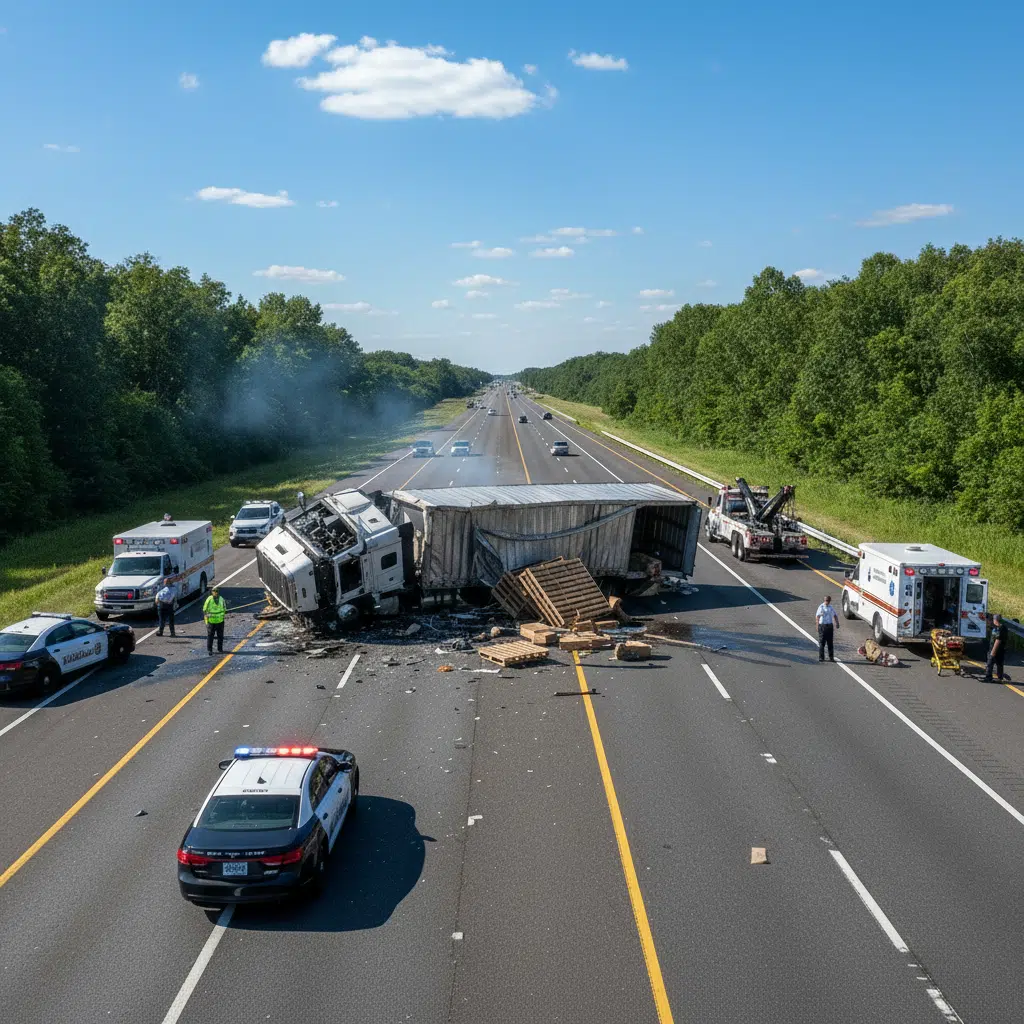
Commercial trucks move enormous amounts of freight through East Texas every day. From timber and agricultural products to construction materials and retail shipments, the region depends heavily on trucks to transport goods between cities, states, and distribution hubs.
While many people assume truck accidents are caused primarily by driver error, another critical factor often goes unnoticed: how the truck’s cargo is loaded. Improper loading can affect the stability, braking ability, and maneuverability of large trucks. For individuals seeking guidance after a serious crash, speaking with an experienced East Texas Truck Accident Attorney can help clarify how cargo-related factors may influence a truck accident case.
Why Cargo Weight Distribution Matters
Commercial trucks are designed to carry extremely heavy loads, but those loads must be balanced correctly. When cargo is unevenly distributed inside the trailer, it can affect the truck’s center of gravity.
Poor weight distribution may lead to:
-
Difficulty steering or controlling the vehicle
-
Increased rollover risk on curves
-
Uneven braking performance
-
Greater strain on tires and suspension
When a truck carrying improperly balanced cargo travels at highway speeds, even a small shift in weight can create dangerous driving conditions.
The Risk of Shifting Cargo
Cargo must also be secured properly to prevent movement during transport. When freight is not tied down or packed tightly, it may shift inside the trailer.
Shifting cargo can cause several serious problems:
-
Sudden loss of vehicle balance
-
Trailer sway during turns
-
Jackknife accidents
-
Cargo spilling onto the roadway
In extreme situations, cargo may break through trailer doors or fall onto the road, creating hazards for other drivers.
Federal Regulations for Cargo Safety
To reduce these risks, federal safety rules require trucking companies and cargo loaders to follow strict guidelines for securing freight.
These regulations address:
-
Maximum cargo weight limits
-
Proper tie-down and restraint systems
-
Distribution of cargo within the trailer
-
Inspection of cargo before and during transport
Drivers are often required to inspect their loads periodically during long trips to ensure the cargo remains secure.
Who Is Responsible for Improperly Loaded Cargo?
Cargo loading is not always handled by the truck driver. In many cases, freight is loaded by separate companies such as warehouse staff or shipping contractors.
When cargo-related accidents occur, responsibility may involve multiple parties, including:
-
The trucking company
-
Cargo loading companies
-
Freight brokers
-
Warehouse operators
Determining who handled the loading process can be an important part of investigating a truck accident.
East Texas Freight Routes and Heavy Loads
East Texas highways see a wide range of cargo types due to the region’s industries. Trucks frequently carry:
-
Timber from forestry operations
-
Agricultural products from farms
-
Oilfield equipment
-
Construction materials
-
Consumer goods headed to regional markets
These loads can be extremely heavy or irregularly shaped, which increases the importance of proper loading procedures.
Warning Signs of Cargo Problems
Sometimes drivers on the road may notice warning signs that a truck’s cargo may not be properly secured. These may include:
-
A trailer leaning noticeably to one side
-
Cargo visibly shifting inside open trailers
-
Unusual swaying during turns
-
Debris falling from the vehicle
If these signs appear, it is safest to keep a safe distance from the truck.
Final Thoughts
Cargo loading plays a major role in the safe operation of commercial trucks. When freight is improperly secured or poorly distributed, it can create dangerous conditions for both the truck driver and everyone sharing the road.
As commercial transportation continues to support industries across East Texas, proper cargo handling remains a critical part of roadway safety. Understanding how cargo impacts truck stability helps highlight why careful loading practices are essential for preventing serious accidents.