
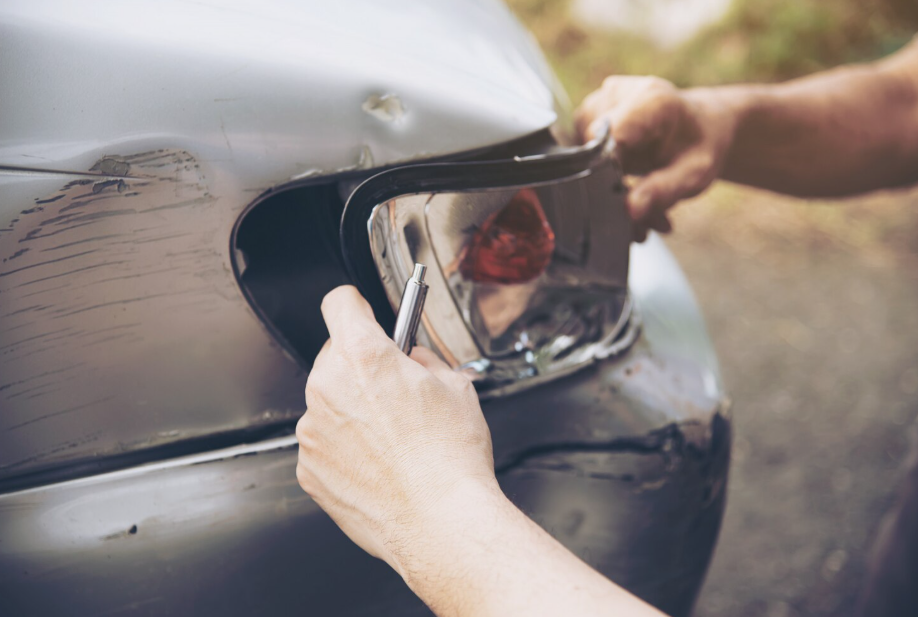
Headlights are one of the most important safety features on any vehicle, yet many drivers do not pay close attention to them until visibility becomes noticeably worse. As vehicles age, headlight performance often declines gradually through wear, oxidation, wiring issues, and component failure.
What begins as slightly dim lighting can eventually affect nighttime visibility, driver reaction time, and overall road safety.
Headlights Experience Constant Environmental Exposure
Vehicle headlights are continuously exposed to:
-
Sunlight
-
Rain
-
Dirt
-
Road salt
-
Temperature changes
-
Road debris
Over years of driving, this exposure slowly affects both the outer headlight housing and the electrical systems behind it.
Because deterioration happens gradually, many drivers do not realize how much brightness and clarity have declined over time.
Headlight Lenses Become Cloudy
One of the most common aging-related headlight problems involves lens oxidation.
Most modern headlight covers are made from plastic materials that slowly react to ultraviolet sunlight exposure.
Over time, lenses may become:
-
Yellowed
-
Foggy
-
Hazy
-
Scratched
Clouded lenses reduce how much light reaches the road, especially during nighttime driving or poor weather conditions.
Even if the bulbs themselves still function properly, visibility may decline significantly because the light cannot pass through clearly.
Bulbs Naturally Lose Brightness With Age
Headlight bulbs gradually weaken long before they completely burn out.
As bulbs age, drivers may notice:
-
Dimmer headlights
-
Uneven brightness
-
Flickering lights
-
Reduced nighttime visibility
Many drivers adapt slowly to declining brightness without realizing how much weaker the lights have become compared to when the bulbs were newer.
Older vehicles often experience reduced lighting performance simply because aging bulbs no longer produce full illumination.
Wiring and Electrical Problems Become More Common
Modern headlights depend heavily on electrical systems to operate consistently.
As vehicles age, wiring and electrical components may develop problems involving:
-
Corrosion
-
Loose connections
-
Worn wiring insulation
-
Faulty relays
-
Weak grounding points
Electrical issues may cause headlights to:
-
Flicker intermittently
-
Shut off unexpectedly
-
Appear dim
-
Fail completely
Moisture exposure and road salt often accelerate electrical deterioration in older vehicles.
Moisture Inside Headlights Can Damage Components
Headlight housings are designed to remain sealed against moisture.
However, aging seals may eventually weaken or crack, allowing condensation to enter the housing.
Moisture buildup may contribute to:
-
Fogging inside lenses
-
Corrosion
-
Bulb failure
-
Electrical damage
Once water begins entering the housing regularly, lighting performance and component lifespan may decline rapidly.
Poor Headlight Alignment Reduces Visibility
Headlight alignment can also change gradually over time.
Suspension wear, minor collisions, or improper repairs may cause headlights to point:
-
Too high
-
Too low
-
Off-center
Misaligned headlights reduce visibility and may also blind oncoming drivers.
Older vehicles with worn suspension systems are especially vulnerable to headlight aim problems because ride height and vehicle positioning gradually change with age.
Night Driving Becomes More Difficult
Declining headlight performance affects more than brightness alone.
Poor lighting may reduce the driver’s ability to:
-
Spot road hazards
-
See pedestrians
-
Read signs clearly
-
React quickly during bad weather
This becomes especially dangerous during:
-
Rain
-
Snow
-
Fog
-
Rural nighttime driving
Older vehicles with weak headlights may create significant visibility limitations compared to newer vehicles using modern lighting technology.
Modern Lighting Systems Are More Complex
Many newer vehicles use advanced lighting systems involving:
-
LED headlights
-
Adaptive lighting
-
Automatic high beams
-
Daytime running lights
While these systems improve visibility, they also increase repair complexity and cost.
Older vehicles equipped with advanced lighting technology may eventually experience failures involving sensors, modules, or integrated lighting assemblies.
Headlight Problems Often Appear Alongside Other Electrical Issues
As vehicles age, headlight problems may occur alongside other electrical concerns such as:
-
Battery drain
-
Alternator wear
-
Wiring corrosion
-
Sensor failures
When several electrical systems begin deteriorating together, diagnosing and repairing problems can become increasingly expensive.
This is especially true for high-mileage vehicles already dealing with suspension wear, engine leaks, or transmission problems.
Why Some Owners Delay Headlight Repairs
Many drivers continue operating vehicles with weak or damaged headlights because the problems develop gradually.
However, delaying repairs often increases both safety risks and long-term repair costs.
Clouded lenses, electrical failures, and moisture damage may continue worsening if ignored for too long.
When lighting repairs combine with multiple aging-related maintenance problems, some owners eventually begin reconsidering whether continued investment still feels worthwhile.
This is one reason some drivers explore alternatives such as Cash For Junk Cars once ongoing repair costs begin outweighing the practical value of the vehicle.
Preventative Maintenance Helps Preserve Headlight Performance
Drivers can extend headlight lifespan through routine inspections and maintenance.
Helpful preventative practices include:
-
Cleaning headlight lenses regularly
-
Restoring oxidized lenses early
-
Replacing weak bulbs promptly
-
Inspecting electrical connections
-
Addressing moisture buildup quickly
Early maintenance often prevents small lighting issues from becoming larger safety concerns later.
Final Thoughts
Older vehicles commonly develop headlight problems because years of sunlight exposure, electrical wear, moisture, and environmental stress gradually affect lighting systems.
Understanding how headlight deterioration develops helps drivers recognize warning signs earlier and maintain safer nighttime visibility and overall vehicle reliability.