
Traditional Chinese medicine (TCM) encompasses thousands of years of documented clinical observation across one of the world’s largest populations. While the theoretical frameworks of TCM differ fundamentally from Western biomedical models, many of the individual plants used within it have been subjected to rigorous modern research, and a meaningful number have produced robust evidence. These are five of the most thoroughly validated.
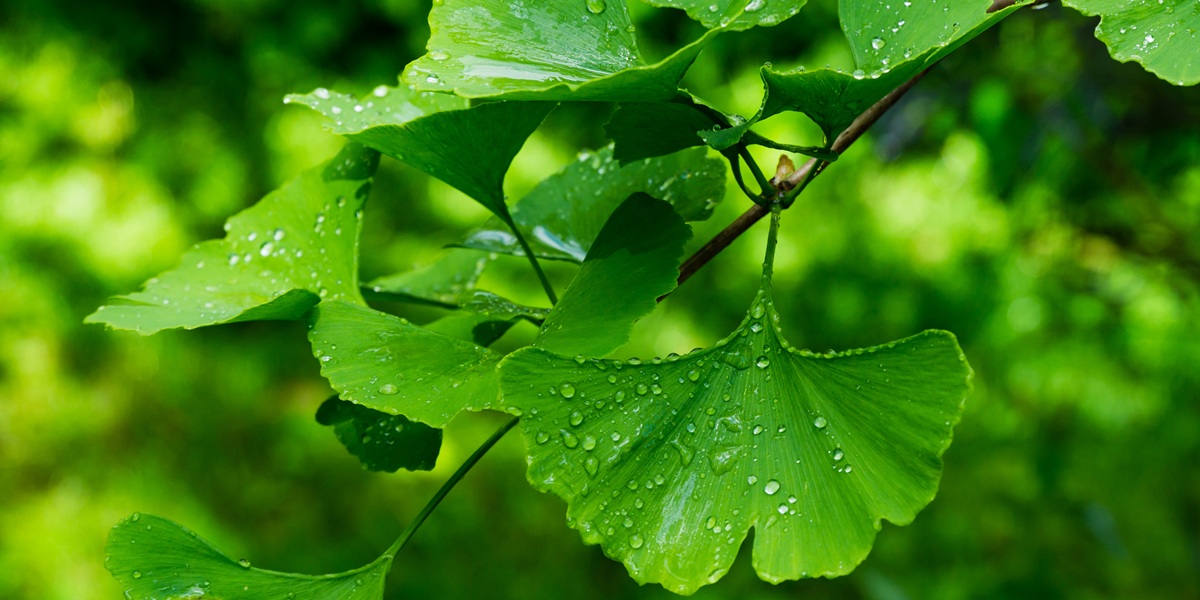
Ginkgo Biloba
Ginkgo has been used in Chinese medicine for at least a thousand years, primarily for respiratory and circulatory complaints. Modern research has validated and extended this traditional application dramatically. Ginkgo biloba leaf extract is now one of the most clinically researched herbal medicines in existence, with studies numbering in the hundreds covering cognitive function, peripheral circulatory disorders, tinnitus, anxiety, and neuroprotection. The active compounds, ginkgolides and bilobalide, have been isolated, characterized, and tested in pharmacological studies that explain their mechanisms of action at a molecular level. Few traditional medicines have made the transition from empirical use to mechanistically understood pharmaceutical agent as completely as ginkgo has.
Astragalus
Astragalus (Astragalus membranaceus), known in TCM as Huang Qi, is one of the foundational tonic herbs in the Chinese pharmacopeia, used for centuries to support immunity and vitality. Modern research has validated several of its traditional applications. Astragalus polysaccharides have demonstrated immunomodulatory activity in both laboratory and clinical settings, supporting natural killer cell activity and T-cell function. Its compounds have also shown potential in research on telomere maintenance through telomerase activation, placing astragalus in a small category of natural compounds with evidence relevant to cellular aging.
Schisandra
Schisandra (Schisandra chinensis) is a berry-producing climbing vine whose fruit has been used in TCM for centuries as an adaptogen and liver tonic. Modern research has confirmed meaningful hepatoprotective activity: schisandra lignans, particularly schisandrin B, have demonstrated protective effects against liver damage from a range of chemical insults in both laboratory research and early clinical trials. Its adaptogenic properties have been validated in studies showing reduced cortisol response to stress and improved endurance performance in athletes. It is one of the more versatile validated TCM herbs with applications spanning liver health, stress resilience, and cognitive performance.
Berberine
Berberine is an alkaloid found in several plants used in TCM, most notably Coptis chinensis (goldthread) and Berberis species. It has emerged as one of the most clinically significant natural compounds of the past two decades. Multiple randomized controlled trials have demonstrated its efficacy for blood sugar regulation in type 2 diabetes, with effects comparable to metformin in some studies. It also shows consistent results for lipid profile improvement and gut microbiome modulation. Its mechanism of action, activating AMP-activated protein kinase (AMPK), is the same pathway activated by metformin and by caloric restriction, making it one of the more mechanistically credible natural metabolic compounds known.
Panax Ginseng
Panax ginseng is among the most studied plants in the world, with a research literature spanning physical endurance, cognitive performance, immune function, blood sugar regulation, and sexual function. The ginsenosides in Panax ginseng have complex, multifaceted effects on the body that include modulation of the HPA axis stress response, enhancement of nitric oxide synthesis in vascular tissue, and protection of neural cells from oxidative damage. The clinical evidence is strongest for fatigue reduction, modest cognitive enhancement, and immune support. Like many complex plant medicines, ginseng’s polypharmacology, the way multiple active compounds interact with multiple biological targets simultaneously, makes it difficult to reduce to a single mechanism.
What Validated TCM Herbs Tell Us
The plants that have held up best under rigorous modern scrutiny tend to share certain characteristics. They have been used consistently for centuries across large populations for specific, well-defined indications. They contain multiple active compounds with complementary mechanisms rather than a single active constituent. They have measurable effects on biomarkers that correspond to their traditional indications. And the research on them has been replicated across multiple independent research groups in different countries.
This does not validate all of TCM or suggest that every traditional claim is correct. Many traditional indications for these plants have not held up to scrutiny, and many other TCM herbs have shown little or no meaningful activity in rigorous testing. The value of this research tradition is that it provides a starting point for investigation with thousands of years of empirical refinement behind it, which is a different starting point than random compound screening.